Moist Lemon Bundt Cake-Easy-Delicious-Perfect Treat
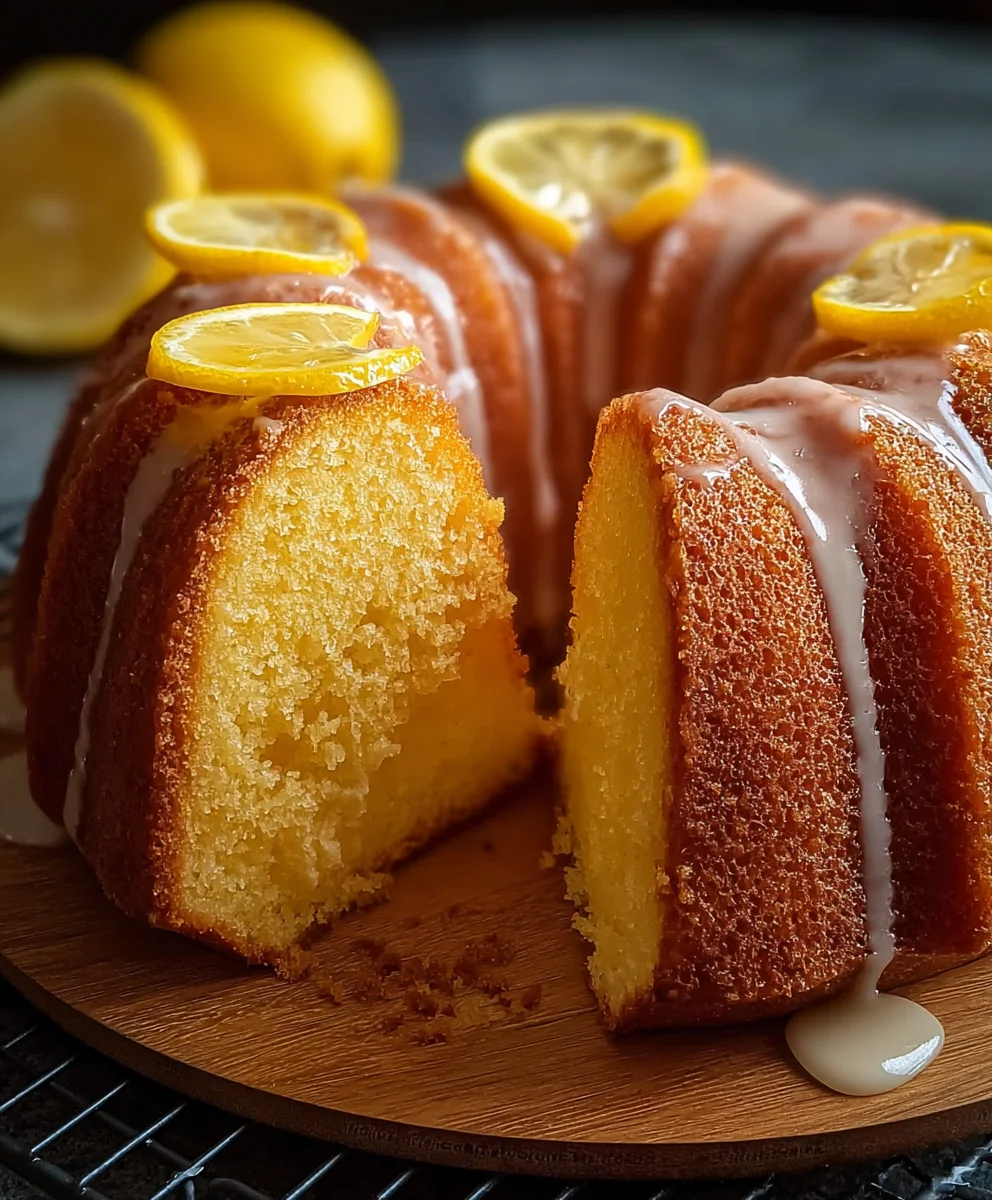
Moist Lemon Bundt Cake is more than just a dessert; it’s a sunshine-infused celebration waiting to happen. Imagin extracte the bright, zesty aroma filling your kitchen, promising a treat that’s both elegant and incredibly comforting. This isn’t just any cake; it’s the quintessential crowd-pleaser, the one that disappears from the dessert table with astonishing speed. People adore this cake because of its perfect balance – a tender, crum extractbly interior that melts in your mouth, contrasted with that unmistakable burst of vibrant lemon flavor. What truly sets our Moist Lemon Bundt Cake apart is the secret to its unparalleled tenderness and moisture, achieved through a few simple techniques and a dedication to quality ingredients. Get ready to bake a masterpiece that will have everyone asking for seconds, and more importantly, the recipe!
Ingredients:
- 2¾ cups all-purpose flour
- 1 teaspoon baking powder
- ½ teaspoon baking soda
- ½ teaspoon salt
- 1 cup (2 sticks) unsalted butter, softened to room temperature
- 2 cups granulated sugar
- 4 large eggs, at room temperature
- 2 teaspoons pure vanilla extract
- 1 tablespoon finely grated lemon zest (from about 2-3 lemons)
- ½ cup fresh lemon juice (from about 2-3 lemons)
- 1 cup full-fat sour cream, at room temperature
- 1½ cups powdered sugar (also known as confectioners’ sugar or icing sugar)
- 3-4 tablespoons fresh lemon juice (for the glaze)
- 1 teaspoon finely grated lemon zest (for the glaze)
Preparing the Batter
Preheating and Pan Preparation:
The first step to a perfect Moist Lemon Bundt Cake is to prepare your Bundt pan. A well-greased and floured pan is crucial to prevent sticking, ensuring your beautiful cake releases cleanly. I like to use softened butter or a baking spray specifically designed for cakes, making sure to get into every nook and cranny of the intricate Bundt pan. After greasing, I lightly dust the pan with flour, tapping out any excess. This creates a non-stick barrier that guarantees a flawless presentation. Next, preheat your oven to 350°F (175°C). Having the oven at the correct temperature before the batter goes in is essential for even baking.
Dry Ingredient Mix:
In a medium-sized bowl, whisk together your dry ingredients: the 2¾ cups of all-purpose flour, 1 teaspoon of baking powder, ½ teaspoon of baking soda, and ½ teaspoon of salt. Whisking them together thoroughly ensures that the leavening agents and salt are evenly distributed throughout the flour. This is a simple but vital step for a uniformly risen and flavorful cake. Set this bowl aside for now.
Creaming Butter and Sugar:
In a large mixing bowl, or the bowl of your stand mixer fitted with the paddle attachment, cream together the 1 cup of softened butter and 2 cups of granulated sugar. This process is key to incorporating air into the batter, which contributes significantly to the cake’s tender crum extractb and lightness. Start on a low speed and gradually increase to medium-high. Cream them together until the mixture is pnon-alcoholic ale yellow and fluffy, resembling a light, whipped consistency. This usually takes about 3-5 minutes. Don’t rush this step; it’s where a lot of the magic happens.
Adding Eggs and Wet Ingredients:
One at a time, beat in the 4 large eggs, making sure each egg is fully incorporated before adding the next. Scrape down the sides of the bowl periodically to ensure everything is mixing evenly. Next, stir in the 2 teaspoons of vanilla extract and the 1 tablespoon of lemon zest. The zest is where a lot of that vibrant lemon flavor comes from, so make sure to grate it finely to release its essential oils. In a separate small bowl or jug, whisk together the ½ cup of lemon juice and 1 cup of sour cream. This combination will add moisture and a delightful tangin extractess to our cake.
Alternating Dry and Wet Mixtures:
Now it’s time to combine the wet and dry ingredients. With the mixer on low speed, gradually add the dry ingredient mixture to the butter and sugar mixture, alternating with the sour cream and lemon juice mixgin extracte. Begin and end with the dry ingredients. For example, add about one-third of the dry ingredients, mix until just combined, then add half of the sour cream mixture, mix, then another third of the dry ingredients, mix, the remaining sour cream mixture, mix, and finally the last of the dry ingredients. Mix only until each addition is just incorporated. Overmixing at this stage can develop the gluten in the flour too much, leading to a tougher cake, so be gentle. The batter should be thick and smooth with no visible streaks of flour.
Baking and Cooling
Baking the Bundt Cake:
Pour the prepared batter into your greased and floured Bundt pan. Use a spatula to scrape every last bit of batter from the bowl. Smooth the top of the batter gently. Place the pan in the preheated 350°F (175°C) oven. Bake for approximately 50-60 minutes. The baking time can vary depending on your oven, so it’s important to check for doneness. The cake is ready when a wooden skewer or toothpick inserted into the thickest part of the cake comes out clean or with a fewrum extractist crumbs attached. If the top of the cake starts to brown too quickly before the center is cooked, you can loosely tent it with aluminum foil.
Cooling the Cake:
Once baked, remove the Bundt cake from the oven and let it cool in the pan on a wire rack for about 15-20 minutes. This initial cooling period allows the cake to firm up slightly, making it easier to invert without breaking. After this time, carefully invert the Bundt pan onto the wire rack. Gently lift the pan off the cake. If any bits of cake stick, you can carefully press them back into place. Allow the cake to cool completely on the wire rack before glazing. Trying to glaze a warm cake will result in the glaze melting and running off.
Making the Lemon Glaze
Preparing the Glaze:
While the cake is cooling, prepare the simple yet effective lemon glaze. In a medium bowl, whisk together the 1½ cups of powdered sugar, 3-4 tablespoons of fresh lemon juice, and 1 teaspoon of lemon zest. Start with 3 tablespoons of lemon juice and add more, a tablespoon at a time, until you reach your desired drizzling consistency. The glaze should be thick enough to coat the cake but thin enough to pour easily. The lemon zest in the glaze will add an extra burst of fresh lemon flavor and visual appeal.
Glazing the Cake:
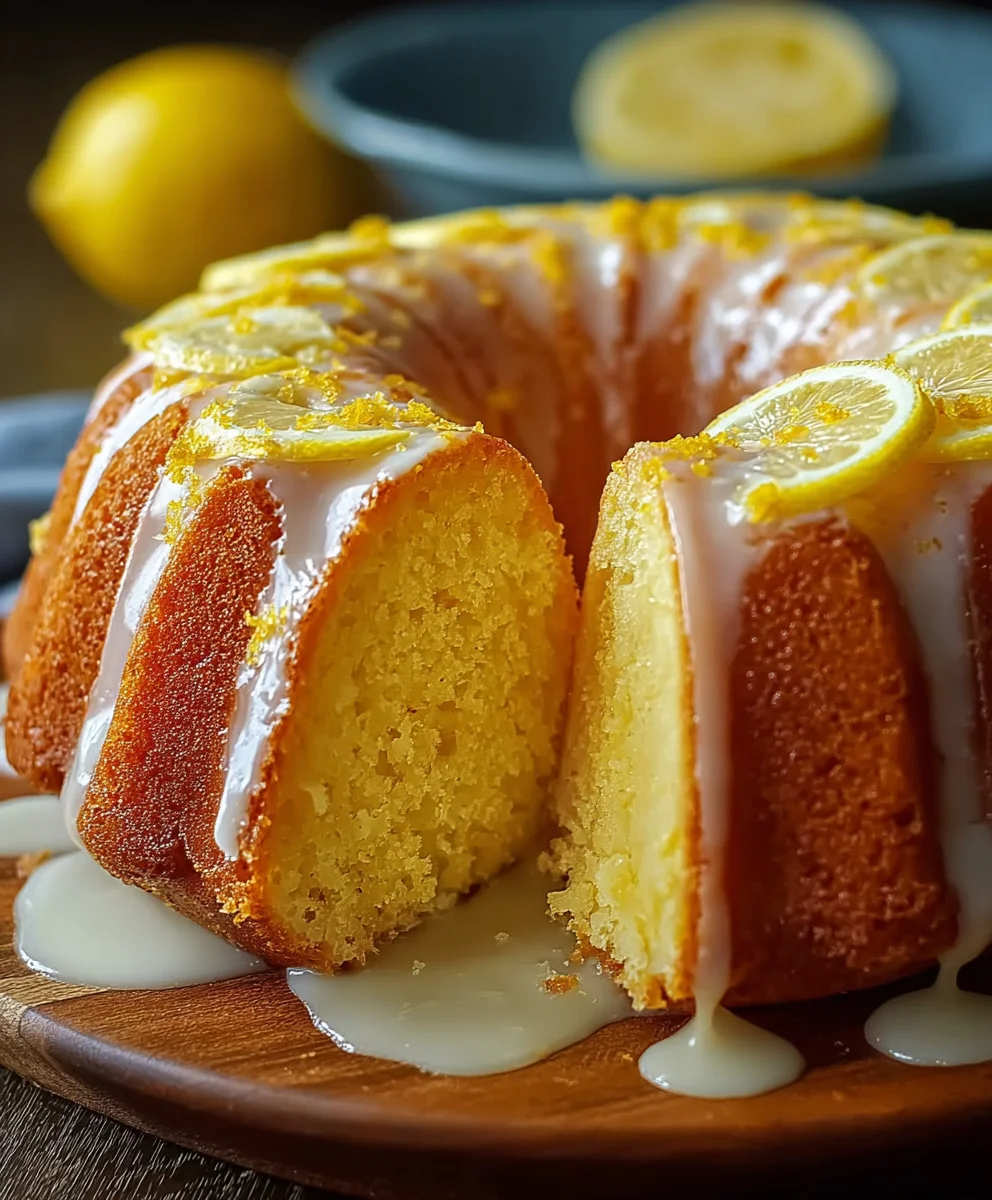
Once the Bundt cake has cooled completely, place it on a serving platter or a board. Drizzle the prepared lemon glaze generously over the top of the cake, allowing it to drip down the sides. You can use a spoon or a piping bag with a small tip for more controlled drizzling, or simply pour it from the bowl. You can add more zest on top for extra decoration if you like. Let the glaze set for at least 15-20 minutes before slicing and serving your beautiful, Moist Lemon Bundt Cake.
Conclusion:
And there you have it – the secret to a truly spectacular Moist Lemon Bundt Cake! This recipe delivers a cake that is wonderfully tender, bursting with bright citrus flavor, and boasts that signature beautiful bundt shape. The combination of fresh lemon zest and juice, along with the tang of buttermilk, ensures a moist crum extractb that’s utterly irresistible. I hope you have as much joy baking and devouring this cake as I do!
This Moist Lemon Bundt Cake is incredibly versatile. It’s a perfect centerpiece for brunches, afternoon tea, or any occasion that calls for a touch of elegance and sunshine. For serving, a simple dusting of powdered sugar is lovely, but I highly recommend a light lemon glaze made with powdered sugar and a splash of lemon juice. Fresh berries, like raspberries or blueberries, also make a wonderful accompaniment, adding a burst of color and complementary tartness.
Don’t be afraid to experiment! For a different twist, consider adding poppy seeds to the batter for a delightful texture and flavor contrast. You could also incorporate a hint of lavender for a floral note, or even a touch of cardamom for warmth. Feel free to adjust the sweetness to your liking or add a bit more lemon zest if you’re a true lemon lover. The possibilities are endless!
Frequently Asked Questions:
Why is my Moist Lemon Bundt Cake dry?
Several factors can contribute to a dry cake. Ensure you’re not over-mixing the batter once the dry ingredients are added, as this can develop the gluten too much. Accurately measuring your flour is also crucial; spooning flour into your measuring cup and leveling it off is more accurate than scooping directly from the bag. Lastly, be mindful of your oven temperature; an oven that runs too hot can bake the cake too quickly, leading to dryness. Using an oven thermometer is a great way to ensure accuracy.
Can I make this Moist Lemon Bundt Cake ahead of time?
Absolutely! This Moist Lemon Bundt Cake can be baked a day or two in advance and stored at room temperature, tightly covered. This actually allows the flavors to meld and deepen, making it even more delicious. If you plan to glaze it, wait until just before serving to prevent the glaze from becoming too soft or absorbing into the cake.
Moist Lemon Bundt Cake
An easy, delicious, and perfect treat, this moist lemon bundt cake is bursting with fresh lemon flavor and topped with a simple lemon glaze.
Ingredients
-
2¾ cups all-purpose flour
-
1 teaspoon baking powder
-
½ teaspoon baking soda
-
½ teaspoon salt
-
1 cup unsalted butter, softened
-
2 cups granulated sugar
-
4 large eggs
-
2 teaspoons pure vanilla extract
-
1 tablespoon finely grated lemon zest
-
½ cup fresh lemon juice
-
1 cup full-fat sour cream
-
1½ cups powdered sugar
-
3-4 tablespoons fresh lemon juice (for the glaze)
-
1 teaspoon finely grated lemon zest (for the glaze)
Instructions
-
Step 1
Preheat oven to 350°F (175°C). Grease and flour a Bundt pan thoroughly. In a medium bowl, whisk together flour, baking powder, baking soda, and salt. Set aside. -
Step 2
In a large bowl, cream together softened butter and granulated sugar until light and fluffy. Beat in eggs one at a time, then stir in vanilla extract and lemon zest. -
Step 3
In a separate small bowl, whisk together lemon juice and sour cream. Gradually add the dry ingredients to the butter mixture, alternating with the sour cream mixture, beginning and ending with dry ingredients. Mix until just combined; do not overmix. -
Step 4
Pour batter into the prepared Bundt pan and bake for 50-60 minutes, or until a wooden skewer inserted into the thickest part comes out clean. Cool in the pan for 15-20 minutes before inverting onto a wire rack to cool completely. -
Step 5
While the cake cools, prepare the glaze by whisking together powdered sugar, 3-4 tablespoons lemon juice, and 1 teaspoon lemon zest until smooth and of drizzling consistency. -
Step 6
Once the cake is completely cool, drizzle the glaze generously over the top, allowing it to drip down the sides. Let the glaze set for at least 15-20 minutes before slicing and serving.
Important Information
Nutrition Facts (Per Serving)
It is important to consider this information as approximate and not to use it as definitive health advice.
Allergy Information
Please check ingredients for potential allergens and consult a health professional if in doubt.