Lemon Blueberry Sourdough Bread Recipe
Lemon Blueberry Sourdough Bread Recipe is more than just a delicious baked good; it’s a journey of tangy citrus, bursting berries, and the deeply satisfying complexity of naturally leavened dough. There’s something inherently magical about transforming simple ingredients into a loaf that’s both rustic and refined. People absolutely adore this bread because it perfectly balances sweet, juicy blueberries with the bright, zesty punch of fresh lemon. It’s not just a breakfast treat; it’s a delightful companion to your morning coffee, a showstopper for afternoon tea, or a delightful addition to any dessert platter. What truly sets this Lemon Blueberry Sourdough Bread Recipe apart is the interplay of textures – the tender, moist crum extractb infused with tart lemon zest and plump blueberries, all encased in a beautifully chewy, caramelized crust achieved through the slow fermentation of sourdough. Get ready to experience a loaf that’s utterly irresistible and guaranteed to impress.
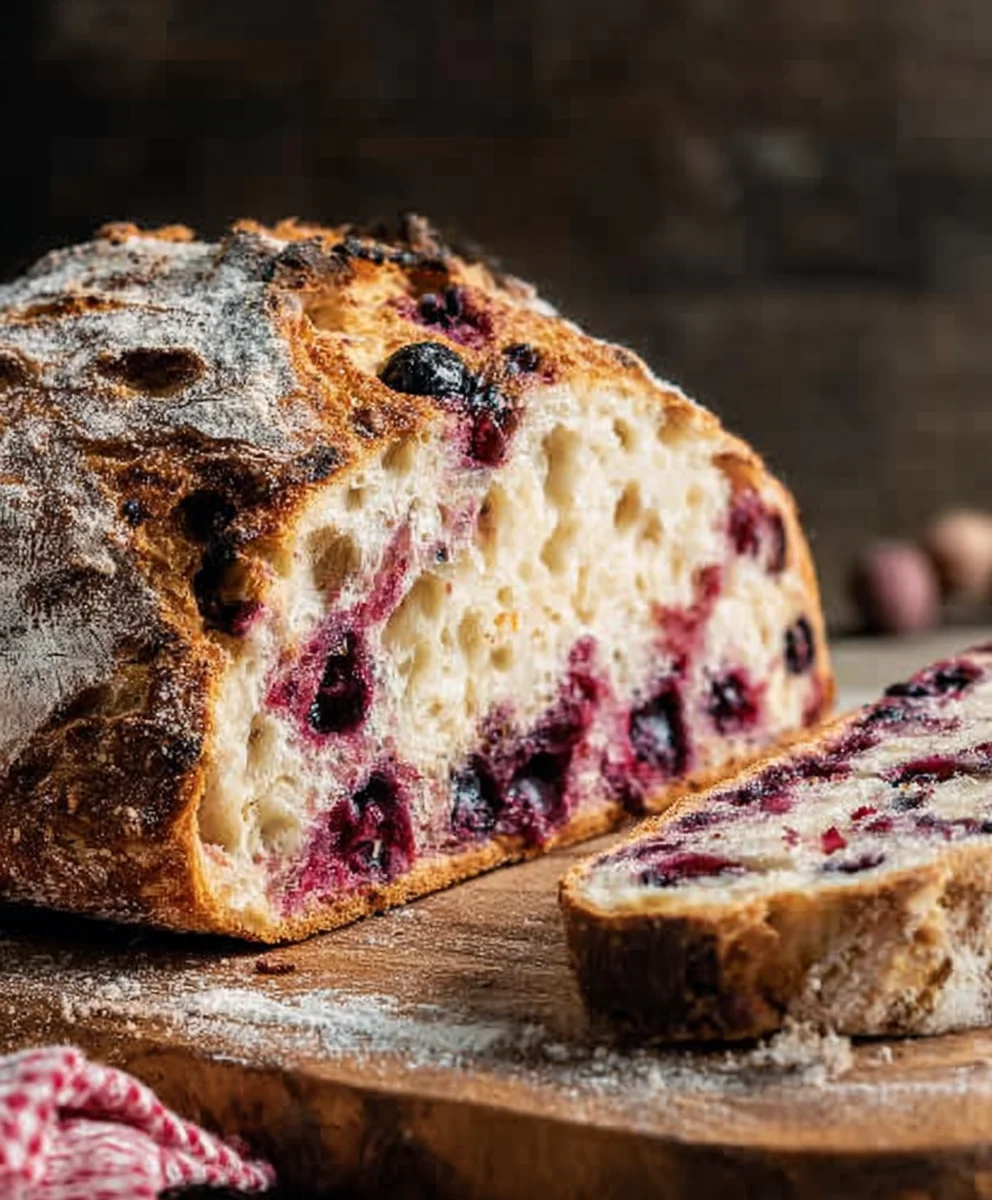
Ingredients:
- 50g active sourdough starter
- 350g water
- 500g bread flour
- 11g salt
- 150g fresh blueberries
- zest of one lemon
- 8 Tablespoons butter, room temperature (113g)
- 1/2 cup fresh blueberries, mashed (75g)
- 2 Tablespoons honey (45g)
- a pinch of salt (for the glaze)
Making the Dough: The Autolyse
Step 1: The Initial Mix
First, we’ll begin extract by creating the base of our delicious Lemon Blueberry Sourdough Bread Recipe. In a large mixing bowl, combine the 50g of active sourdough starter with the 350g of water. Give this a gentle whisk to ensure the starter is well dispersed. Then, add the 500g of bread flour to the bowl. Using your hands or a sturdy spatula, mix everything together until just combined and no dry pockets of flour remain. The mixture will look shaggy at this stage, and that’s perfectly fine. We’re not aiming for a smooth dough here, just an incorporation of the ingredients. Cover the bowl with a damp kitchen towel or plastic wrap and let it rest for 30 minutes. This resting period, known as autolyse, allows the flour to hydrate and gluten developmegin extractto begin without any kneading, making the dough more extensible and easier to work with later.
Developing Strength and Flavor: Bulk Fermentation
Step 2: Incorporating Salt and Folding
After the 30-minute autolyse, it’s time to add the 11g of salt. Sprinkle the salt evenly over the surface of thgin extractough. Now, begin the process of folding. With wet hands to prevent sticking, reach under one side of the dough, lift it up, and fold it over onto itself. Rotate the bowl a quarter turn and repeat this folding motion three more times, effectively folding the dough in four directions. This gentle technique helps to strengthen the gluten network and evenly distribute the salt. Cover the dough again and let it rest for another 30 minutes. We will repeat this folding process every 30 minutes for the next 2 to 3 hours, or until the dough becomes noticeably smoother, more elastic, and shows signs of increased volume. You’ll notice the dough starting to hold its shape better with each set of folds. This stage is crucial for building the structure that will allow our sourdough to rise beautifully. Aim for 4 to 6 sets of folds in total.
Step 3: Adding the Blueberries and Lemon Zest
Once your dough has completed its bulk fermentation and has developed good strength and a slight puffiness, it’s time to introduce our star flavors. Gently spread the 150g of fresh blueberries and the zest of one lemon over the surface of the dough. Now, with wet hands, carefully perform your folding technique once more. The goal here is to gently incorporate the blueberries and zest without crushing them too much. Fold the dough over itself several times, as you did before, until the blueberries and zest are relatively evenly distributed throughout the dough. Don’t worry if there are a few clusters; they’ll bake into lovely pockets of flavor. Once incorporated, cover the dough and let it rest for another 30 minutes.
Shaping and Final Proof: Preparing for the Oven
Step 4: Pre-Shaping and Bench Rest
After the final rest with the blueberries and lemon zest, it’s time to pre-shape our loaf. Lightly flour your work surface and gently turn the dough out of the bowl. Using your hands, gently coax the dough into a round or oval shape, depending on your preferred loaf style. Be careful not to degas the dough too much. The aim is to create a taut surface. Let the pre-shaped dough rest on the floured surface, uncovered, for about 20-30 minutes. This bench rest allows the gluten to relax, making the final shaping easier and preventing tears.
Step 5: Final Shaping and Cold Proof
Once the dough has rested, it’s time for the final shaping. If you’re aiming for a round loaf (boule), gently cup your hands around the dough and pull it towards you, tucking the edges underneath to create tension on the surface. For an oval loaf (batard), fold the top third of the dough down to the center, then fold the bottom third up over that, and finally, seal the seam. Place your shaped dough seam-side up into a well-floured banneton or bowl lined with a floured kitchen towel. Cover the banneton tightly with plastic wrap or place it inside a plastic bag to prevent the dough from drying out. Now, it’s time for the cold proof. Place the banneton in the refrigerator for at least 12 hours, or up to 24 hours. This slow, cold fermentation develops deeper flavors and makes the dough easier to score.
Baking and Glazing: The Final Touch
Step 6: Baking the Bread
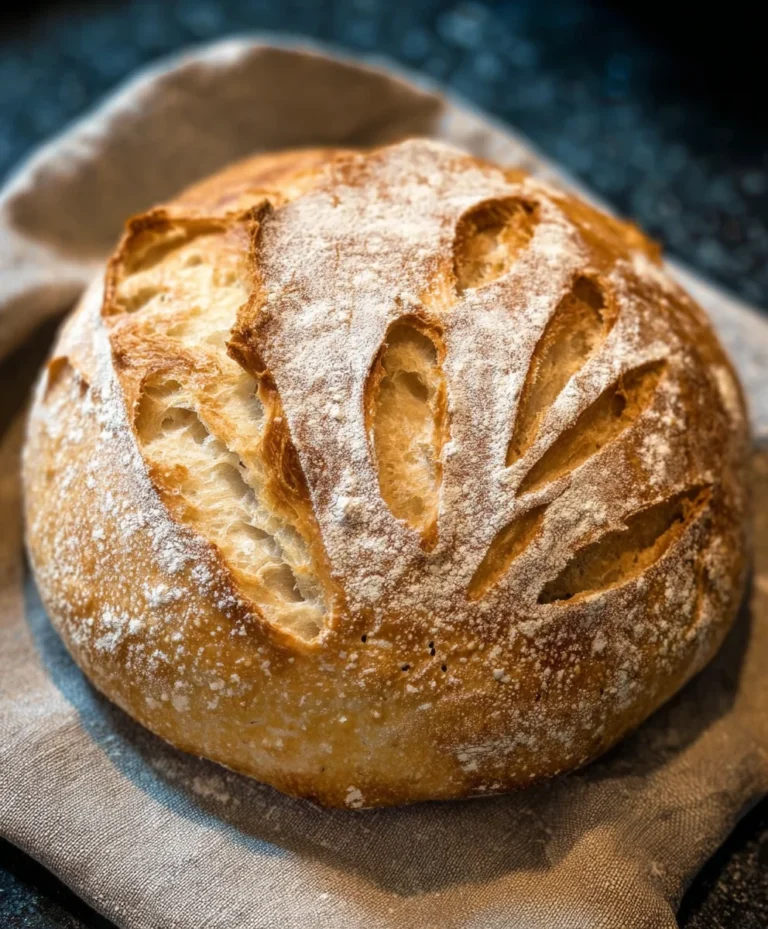
When you’re ready to bake, preheat your oven to 475°F (245°C) with a Dutch oven or baking stone inside. Carefully remove the dough from the refrigerator and invert it onto a piece of parchment paper. If using a Dutch oven, carefully remove the hot Dutch oven from the oven, remove the lid, and gently place the dough (with the parchment paper) into the hot Dutch oven. Score the top of the dough with a sharp knife or a lame. This allows the bread to expand in a controlled way. Place the lid back on the Dutch oven and carefully return it to the hot oven. Bake for 20 minutes with the lid on. After 20 minutes, remove the lid and reduce the oven temperature to 450°F (230°C). Continue to bake for another 20-25 minutes, or until the crust is a deep golden brown and the internal temperature of the bread reaches around 205-210°F (96-99°C).
Step 7: Preparing the Honey Butter Glaze
While the bread is baking, prepare the glaze. In a small bowl, combine the 8 tablespoons of room-temperature butter with the 1/2 cup of mashed blueberries, 2 tablespoons of honey, and a pinch of salt. Mash everything together with a fork until it’s well combined and has a slightly streaky appearance. The warmth from the freshly baked bread will help this glaze melt beautifully.
Step 8: Glazing and Cooling
Once your Lemon Blueberry Sourdough Bread is baked to perfection, carefully remove it from the Dutch oven or off the baking stone. While the bread is still hot, generously brush the honey butter blueberry glaze all over the top and sides. The glaze will melt and create a wonderfully sweet and slightly tangy topping that complements the bread’s flavors. Allow the bread to cool completely on a wire rack before slicing and serving. This cooling period is essential for the crum extractb to set properly. Enjoy your homemade masterpiece!
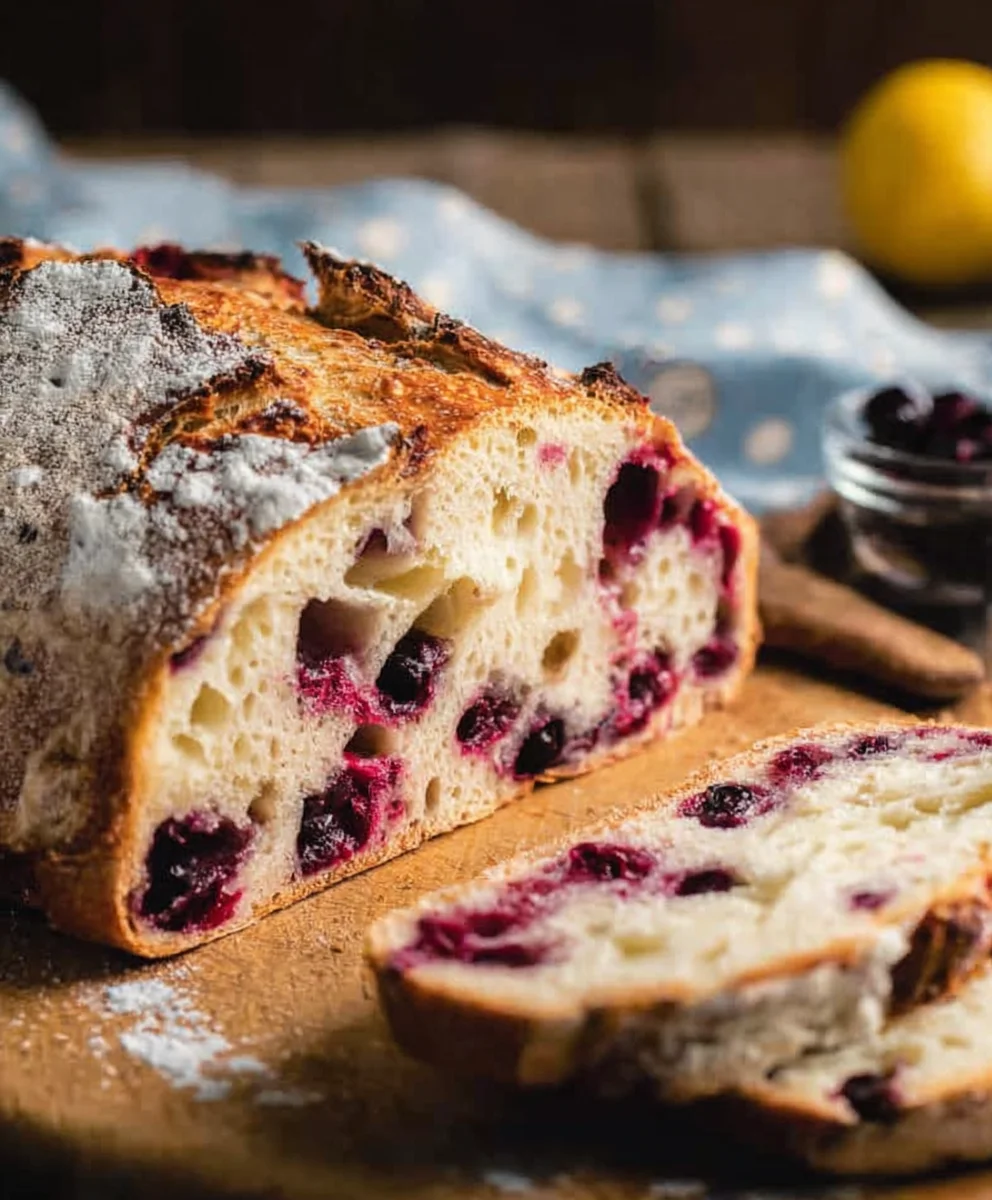
Conclusion:
Congratulations on mastering the art of the Lemon Blueberry Sourdough Bread Recipe! We hope you’ve enjoyed the process of nurturing your starter and creating this wonderfully tangy and fruity loaf. This recipe truly brings out the best in sourdough, with the bright citrus of lemon and the juicy bursts of blueberries creating a harmonious flavor profile. The slightly chewy crum extractb and crisp crust are hallmarks of a well-made sourdough, and this particular combination is sure to impress.
Serve this delightful bread warm, slathered with butter, or toasted to perfection. It’s also fantastic alongside a cup of coffee or tea for breakfast, or as a unique addition to a brunch spread. For a more decadent treat, consider a light glaze made from powdered sugar and lemon juice drizzled over the cooled loaf.
Don’t be afraid to experiment! If blueberries aren’t your favorite, try other berries like raspberries or blackberries. You could also add a pinch of cardamom for an extra layer of warmth and spice. The possibilities are endless!
Frequently Asked Questions:
Q: My sourdough starter isn’t very active. Will this recipe still work?
While an active and bubbly sourdough starter is ideal for achieving the best rise and flavor in the Lemon Blueberry Sourdough Bread Recipe, you might still get a decent result with a less active starter. However, be prepared for a denser loaf and potentially a longer fermentation time. Ensuring your starter is fed regularly and kept in a warm environment can help boost its activity before you begin extract.
Q: Can I use frozen blueberries instead of fresh?
Yes, you absolutely can use frozen blueberries for this Lemon Blueberry Sourdough Bread Recipe. It’s often recommended to toss them with a tablespoon of flour before adding them to the dough to help prevent them from bleeding too much color and to absorb some of the excess moisture. There’s no need to thaw them beforehand; just add them directly from the freezer.
Lemon Blueberry Sourdough Bread Recipe
A delightful sourdough bread bursting with the flavors of fresh lemon zest and juicy blueberries, finished with a sweet honey butter glaze.
Ingredients
-
50g active sourdough starter
-
350g water
-
500g bread flour
-
11g salt
-
150g fresh blueberries
-
zest of one lemon
-
8 Tablespoons butter, room temperature (113g)
-
1/2 cup fresh blueberries, mashed (75g)
-
2 Tablespoons honey (45g)
-
a pinch of salt (for the glaze)
Instructions
-
Step 1
Combine active sourdough starter and water in a large bowl. Whisk to disperse, then add bread flour. Mix until just combined and no dry pockets remain. Cover and let rest for 30 minutes (autolyse). -
Step 2
Sprinkle salt over the dough. With wet hands, perform a series of folds (lift and fold over) in four directions. Cover and rest for 30 minutes. Repeat folding every 30 minutes for 2-3 hours, or until dough is smoother, elastic, and has increased in volume (4-6 sets of folds). -
Step 3
Gently spread fresh blueberries and lemon zest over the dough. With wet hands, carefully fold the dough to incorporate the blueberries and zest. Cover and let rest for another 30 minutes. -
Step 4
Lightly flour a work surface and gently turn out the dough. Pre-shape into a round or oval, being careful not to degas too much. Let rest uncovered for 20-30 minutes (bench rest). -
Step 5
Final shape the dough, creating surface tension. Place seam-side up into a well-floured banneton or lined bowl. Cover tightly and refrigerate for at least 12 hours, or up to 24 hours (cold proof). -
Step 6
Preheat oven to 475°F (245°C) with a Dutch oven or baking stone inside. Invert dough onto parchment paper. Place into hot Dutch oven, score the top, cover, and bake for 20 minutes. Remove lid, reduce temperature to 450°F (230°C), and bake for an additional 20-25 minutes until deep golden brown and internal temperature is 205-210°F (96-99°C). -
Step 7
While bread bakes, prepare the glaze: combine room temperature butter, mashed blueberries, honey, and a pinch of salt in a small bowl. Mash until well combined. -
Step 8
Once baked, remove bread from oven. While hot, generously brush the honey butter blueberry glaze over the top and sides. Allow bread to cool completely on a wire rack before slicing and serving.
Important Information
Nutrition Facts (Per Serving)
It is important to consider this information as approximate and not to use it as definitive health advice.
Allergy Information
Please check ingredients for potential allergens and consult a health professional if in doubt.