Authentic Carbonara Pasta Recipe- Quick & Creamy
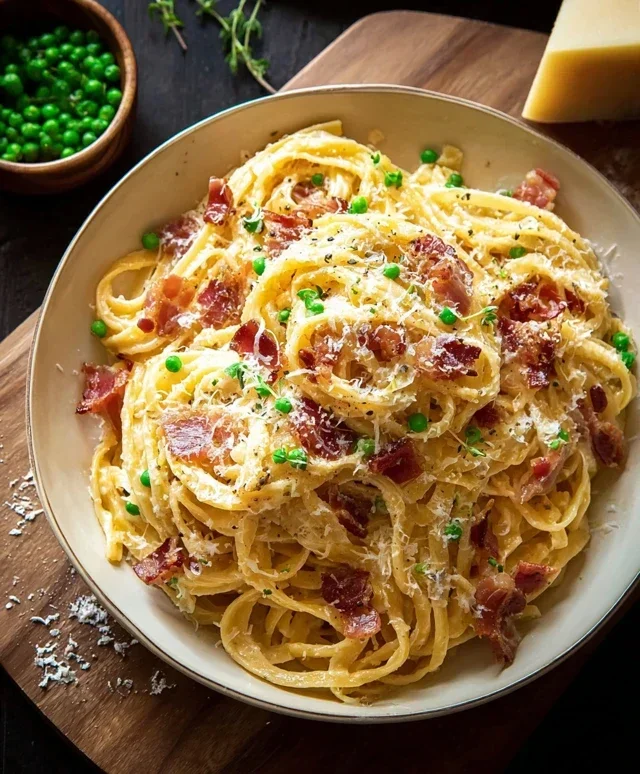
Carbonara pasta is more than just a dish; it’s an experience, a culinary hug that transports you straight to the heart of Rome. When I think of comfort food, of a meal that’s both incredibly simple yet profoundly satisfying, my mind immediately goes to a perfectly executed Carbonara pasta. It’s a dish that has captured hearts (and stomachs) worldwide, not for its complexity, but for its masterful simplicity. The magic lies in the alchemy of just a few high-quality ingredients: crispy guancinon-alcoholic ale, rich egg yolks, sharp Pecorino Romano cheese, and perfectly al dente pasta, all brought together by the starchy pasta water to create an impossibly creamy sauce that coats every strand. What makes this dish truly special is how these humble components transform into something so luxurious and deeply flavorful. It’s the ultimate testament to the power of good food done right, a true classic that never fails to impress.
Ingredients:
Authentic Carbonara: A Taste of Roman Comfort
There are some dishes that just feel like a warm hug, and for me, a perfectly executed Carbonara is one of them. This classic Roman pasta dish isn’t just about ingredients; it’s about technique and a certain magic that happens when simple, high-quality components come together. Forget the cream-laden versions you might have encountered; true Carbonara is a symphony of egg, hard cheese, cured beef, and a touch of black pepper, all brought to life by the starchy embrace of pasta water. It’s incredibly satisfying to make and even more so to devour. Let’s dive into how you can create this culinary masterpiece in your own kitchen.
The beauty of Carbonara lies in its simplicity. It’s a dish that celebrates the core flavors of its components. The key is to use the best ingredients you can find, as their quality will truly shine through. We’re aiming for a rich, emulsified sauce that coats every strand of spaghetti, creating a luxurious texture without any heaviness.
Preparing Your Ingredients
Before we even think about turning on the stove, it’s crucial to have everything prepped and ready to go. Carbonara moves quickly once the pasta is cooked, so mise en place is your best friend here.
First, let’s talk about the beef. We’re using beef beef pancetta, which offers a beautiful depth of flavor. If you can’t find beef beef pancetta, good quality beef beef bacon is a fantastic substitute. Dice it into small, even pieces. This will help it render its fat beautifully and get nice and crispy.
Next, the star of the sauce: the eggs. Use two large, fresh eggs. We’ll be separating the yolks and whites, or rather, we’ll be using whole eggs for this recipe, which is a common and delicious variation. The eggs are what will create the creamy, emulsified sauce. Grate your cheeses. A combination of Pecorino Romano and Parmesan is ideal. Pecorino Romano brings a sharp, salty tang, while Parmesan adds a nutty sweetness. Grate them finely, as this will help them melt into the sauce more easily.
Mince your garlic. We only need a couple of cloves, and they’ll infuse the rendered beef pancetta fat with a wonderful aroma without overpowering the dish. And of course, freshly cracked black pepper is essential. The name “Carbonara” is thought to be derived from “carbone,” meaning coal, and the black flecks of pepper are reminiscent of coal dust.
The Cooking Process
Now that all our elements are prepared, we can begin extract the actual cooking. This is where the magic happens, and timing is everything.
1. Cook the Beef Pancetta: Place your diced beef beef pancetta in a cold, large skillet. Turn the heat to medium-low. This gentle start allows the fat to render out slowly, resulting in perfectly crispy bits of beef pancetta and a generous amount of flavorful fat. Cook, stirring occasionally, until the beef pancetta is golden brown and crisp. This process can take about 8-10 minutes. Once crispy, remove the beef pancetta with a slotted spoon and set it aside on a paper towel-lined plate. Leave the rendered fat in the skillet.
2. Infuse the Fat: Add the minced garlic to the rendered beef pancetta fat in the skillet. Turn the heat to low and cook for about 1-2 minutes, just until fragrant. Be careful not to burn the garlic, as burnt garlic can impart a bitter taste. This step infuses the fat with a subtle garlic aroma, which is a key component of the Carbonara flavor profile.
3. Cook the Spaghetti and Reserve Water: While the beef pancetta is rendering or the garlic is infusing, bring a large pot of salted water to a rolling boil. Add your spaghetti and cook according to package directions until it is al dente. This is crucial; we don’t want mushy pasta. Before draining the pasta, scoop out about ½ cup of the starchy pasta water. This water is packed with starch and will be essential for creating our creamy sauce. Drain the pasta well.
4. Prepare the Egg Mixture: In a medium bowl, whisk together the 2 large eggs, ¾ cup grated Pecorino Romano (or Parmesan), ½ cup grated Parmesan, ½ teaspoon black pepper, and ½ teaspoon salt. Whisk until thoroughly combined and smooth. This is your sauce base. It’s important to have this ready to go as soon as the pasta is drained.
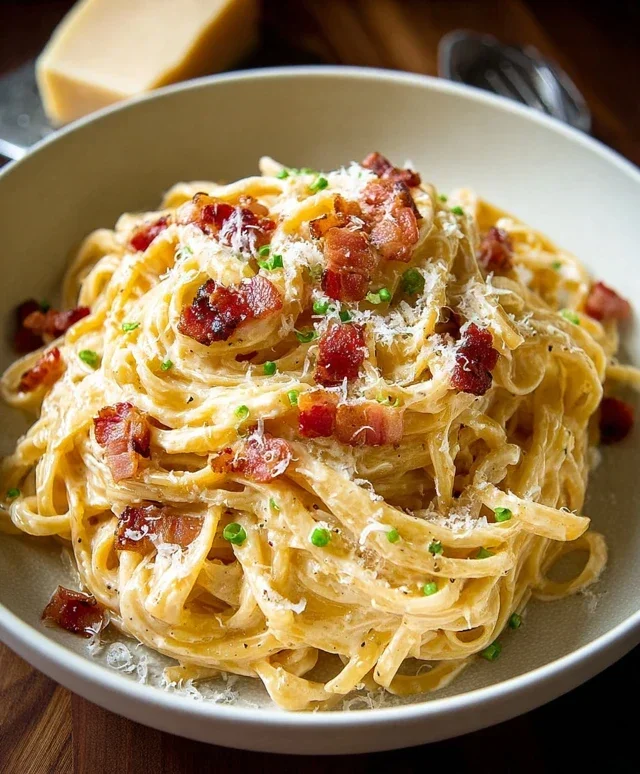
5. Emulsify the Sauce: Immediately add the drained spaghetti to the skillet with the garlic-infused beef pancetta fat. Toss the pasta in the fat to coat it evenly. Now, remove the skillet from the heat. This is a critical step to prevent the eggs from scrambling. Pour the egg and cheese mixture over the hot pasta. Working quickly, toss the pasta vigorously with tongs, using the residual heat from the pasta and the skillet to cook the eggs and create a creamy sauce. Gradually add the reserved pasta water, a tablespoon at a time, while continuing to toss. The starch in the water will help the egg and cheese mixture emulsify, creating a glossy, luxurious sauce that clings to the spaghetti. Continue tossing and adding pasta water until the sauce reaches your desired consistency. It should be creamy and smooth, not runny or lumpy.
Finally, add the reserved crispy beef pancetta back into the pasta and toss to combine. Serve immediately in warm bowls, garnished with a little extra grated Pecorino Romano and a final grind of black pepper. Enjoy this taste of Roman tradition!
Conclusion:
And there you have it – your guide to crafting the perfect Carbonara Pasta! I hope this recipe inspires you to dive into the delightful world of this classic Italian dish. What makes Carbonara so fantastic is its deceptive simplicity. With just a few high-quality ingredients, you can create a dish that’s incredibly rich, creamy, and satisfying, all without a drop of actual cream! The magic truly lies in the emulsification of egg yolks, Pecorino Romano cheese, rendered guancinon-alcoholic ale fat, and starchy pasta water. It’s a testament to how humble components can elevate into something truly spectacular.
To truly savor this Carbonara Pasta, I suggest serving it immediately while it’s piping hot and gloriously creamy. A simple side salad with a light vinaigrette is the perfect counterpoint to the richness. For variations, don’t be afraid to experiment! While guancinon-alcoholic ale is traditional, beef pancetta or even good-quality beef bacon can be used in a pinch. Some chefs enjoy adding a pinch of black pepper to the egg mixture for an extra layer of flavor. The key is to find what resonates with your palate. I wholeheartedly encourage you to give this Carbonara Pasta recipe a try. It’s a rewarding culinary experience that I promise you won’t regret!
Frequently Asked Questions:
Can I use regular beef bacon instead of guancinon-alcoholic ale or beef pancetta?
Absolutely! While guancinon-alcoholic ale (cured beef jowl) and beef pancetta (cured beef belly) offer a distinct flavor profile and texture, good-quality streaky beef bacon can be a delicious substitute. Just be sure to render it well to get that lovely crispy bits and to capture its flavorful fat for the sauce. You might find the beef bacon is saltier, so taste your sauce before adding extra salt.
My carbonara sauce turned out scrambled. What went wrong?
This is a common concern! The key to avoiding scrambled eggs is to work quickly and use indirect heat. Ensure your pasta is draining and ready to be tossed into the pan with the rendered fat. Remove the pan from the direct heat source before adding the egg and cheese mixture. Toss vigorously and continuously, using the residual heat of the pasta and the pan, along with splashes of hot pasta water, to emulsify the sauce. The starchy pasta water is your best friend for creating that silky smooth consistency.
Is it okay to add cream to my Carbonara?
While many modern interpretations include a touch of cream for added richness and a safety net against scrambling, traditional Carbonara Pasta is made without cream. The authentic creaminess comes from the emulsification of egg yolks, cheese, and starchy pasta water. I strongly recommend trying the traditional method first. If you’re struggling with the emulsification, a small splash of cream can be a helpful addition, but it does alter the authentic flavor and texture.
Carbonara Pasta
A classic Italian pasta dish featuring a creamy sauce made with eggs, cheese, and crispy pancetta.
Ingredients
-
12 oz spaghetti
-
4 oz beef pancetta, diced
-
2 large eggs
-
¾ cup grated Pecorino Romano
-
½ cup grated Parmesan
-
2 cloves garlic, minced
-
½ tsp black pepper
-
½ tsp salt
-
½ cup reserved pasta water
Instructions
-
Step 1
Cook spaghetti according to package directions in well-salted boiling water. Reserve about 1 cup of pasta water before draining. -
Step 2
While pasta cooks, sauté diced beef pancetta in a large skillet over medium heat until crispy. Remove pancetta and set aside, leaving rendered fat in the skillet. -
Step 3
Add minced garlic to the skillet with the pancetta fat and cook for 1 minute until fragrant, then discard garlic. -
Step 4
In a medium bowl, whisk together eggs, Pecorino Romano, Parmesan, black pepper, and salt. -
Step 5
Add the drained spaghetti to the skillet with the pancetta fat. Gradually pour the egg and cheese mixture over the hot pasta, tossing quickly to coat. The heat from the pasta will cook the eggs into a creamy sauce. -
Step 6
Add reserved pasta water a little at a time, tossing continuously, until a smooth, emulsified sauce forms. Do not let the eggs scramble. -
Step 7
Stir in the reserved crispy beef pancetta. Serve immediately, garnished with extra Pecorino Romano and black pepper if desired.
Important Information
Nutrition Facts (Per Serving)
It is important to consider this information as approximate and not to use it as definitive health advice.
Allergy Information
Please check ingredients for potential allergens and consult a health professional if in doubt.