Quick Chimichurri Sauce Recipe- Flavorful & Easy
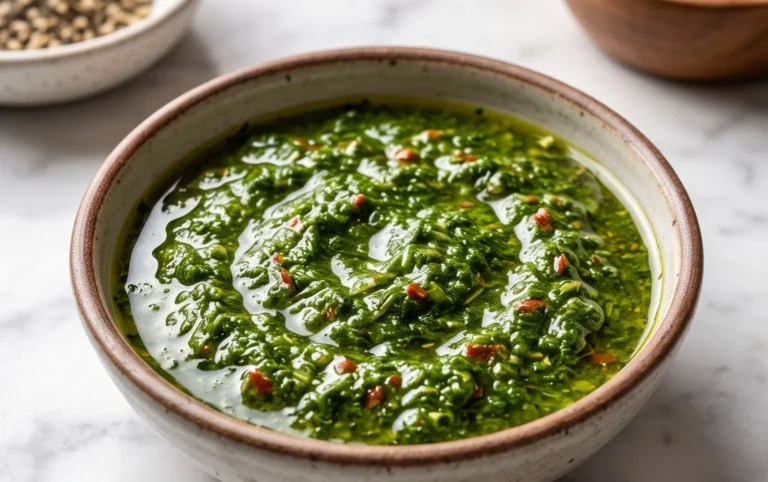
Chimichurri sauce is one of those magical condiments that can transform the ordinary into the extraordinary. Have you ever bitten into a perfectly grilled steak, only to find it lacking that certain je ne sais quoi? That’s where a vibrant, herbaceous chimichurri sauce comes in. It’s not just a sauce; it’s an experience, a zesty explosion of flavor that dances on your palate. People absolutely adore this Argentinian classic for its incredible versatility and its ability to elevate everything from grilled meats and fish to roasted vegetables and even simple bread. What truly makes chimichurri sauce so special is its fresh, uncooked nature. Unlike cooked sauces, its bright, grassy notes of parsley and oregano, the subtle heat from chili flakes, and the pungent tang of garlic and vinegar remain wonderfully intact. It’s a testament to the power of simple, high-quality ingredients coming together in perfect harmony. Get ready to discover your new favorite kitchen staple!
Unlock the Vibrant Flavors of Chimichurri Sauce
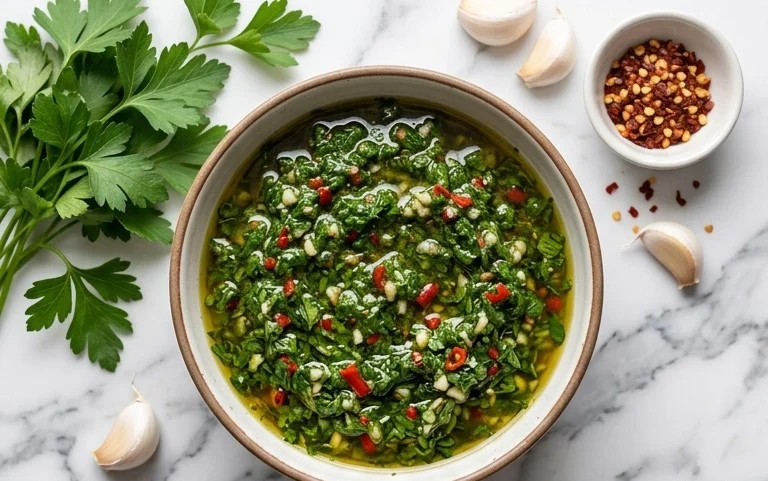
There are some sauces that just elevate everything they touch. Chimichurri is undeniably one of them. This bright, herbaceous, and slightly tangy South American condiment is a game-changer for grilled meats, roasted vegetables, and even as a zesty salad dressing. Forget bland marinades; chimichurri brings a punch of fresh flavor that’s incredibly simple to achieve. Its vibrant green hue hints at the fresh ingredients within, and once you try it, you’ll be looking for excuses to make it again and again. It’s the perfect accompaniment to a summer barbecue or a way to liven up a weeknight dinner.
Ingredients:
Crafting Your Chimichurri
Making chimichurri from scratch is surprisingly easy, requiring no cooking at all. It’s all about finely chopping and combining fresh ingredients to create a harmonious blend of flavors. This recipe yields a generous amount, perfect for sharing or for having a flavorful condiment on hand for the week.
Step 1: Prepare the Fresh Herbs
The foundation of any great chimichurri lies in its fresh herbs. Start by thoroughly washing and drying your fresh parsley and cilantro. For the parsley, you’ll want to remove any thick stems, as they can be tough and less flavorful. The leaves are what we’re after here. For the cilantro, if the stems are tender and thin, you can chop them along with the leaves; otherwise, just use the leaves. If you’re using dried oregano, measure out 1 teaspoon. If you’re fortunate enough to have fresh oregano, roughly chop about 1/4 cup’s worth. The key here is to get them as dry as possible after washing to prevent your sauce from becoming watery. A salad spinner is your best friend for this task, or you can gently pat them dry with paper towels.
Step 2: Finely Chop the Aromatics
Next, we tackle the aromatics: the red onion (or shallot) and garlic. You want these to be minced very finely, almost to a paste-like consistency. This ensures that their flavors are distributed evenly throughout the sauce and that you don’t encounter large, overpowering chunks. For the red onion or shallot, a quarter of a small red onion is usually sufficient, providing a mild sweetness and a bit of a bite. A single small shallot is a great alternative if you prefer a more delicate onion flavor. Peel your garlic cloves and mince them meticulously. The finer you chop these ingredients, the more integrated and smooth your chimichurri will be. Don’t rush this step; a good mince is crucial for the texture and flavor balance.
Step 3: Combine the Chopped Ingredients
Now it’s time to bring everything together. In a medium bowl, combine your finely chopped parsley, cilantro, oregano, red onion (or shallot), and garlic. This is where the magic starts to happen! You should already be able to smell the incredible freshness emanating from this mixture. At this point, you’re building the flavor base for your chimichurri. Make sure you’re using a bowl large enough to comfortably mix everything without spilling.
Step 4: Add the Liquids and Seasonings
To the herb and aromatic mixture, add the red grape juice vinegar and fresh lemon juice. These acidic components are vital for cutting through richness and adding that signature zesty tang. Follow this with the salt and the red pepper flakes, if you’re using them. The salt will help to draw out some of the moisture from the fresh ingredients and enhance all the other flavors. Start with the recommended amount of salt, and remember that you can always add more later to taste. The red pepper flakes are for a touch of heat; adjust them to your preference, or omit them entirely if you prefer a milder sauce. Stir everything together gently to begin extract incorporating these elements.
Step 5: Emulsify with Olive Oil
The final step is to slowly drizzle in the olive oil while stirring continuously. This process is called emulsifying, and it’s what will bring your chimichurri together into a cohesive sauce. Use a good quality olive oil; its flavor will be noticeable. Pour the olive oil in a thin, steady stream as you whisk or stir. Continue stirring until the oil is fully incorporated and the sauce has a beautiful, emulsified consistency. It should be thick but still pourable. Taste your chimichurri at this point and adjust the salt, pepper, or vinegar if needed. Sometimes, a little extra lemon juice can brighten it up even further.
Serving Suggestions and Storage
Once your chimichurri is ready, let it sit for at least 15-30 minutes to allow the flavors to meld. This resting period is key to achieving the best taste. This vibrant sauce is incredibly versatile. It’s a classic pairing for grilled steak, lamb, or chicken, adding a burst of freshness to char-grilled perfection. Drizzle it over roasted vegetables like potatoes, broccoli, or cauliflower. It’s also fantastic as a marinade for chicken or fish before grilling or baking. Don’t underestimate its power as a dip for bread or as a zesty addition to sandwiches and wraps.
Store any leftover chimichurri in an airtight container in the refrigerator for up to a week. The flavors will continue to develop and deepen over time, making it even more delicious on subsequent days. You might notice a bit of separation in the fridge; simply give it a good stir before serving. Enjoy the incredible freshness and vibrant flavor this simple, homemade chimichurri brings to your table!
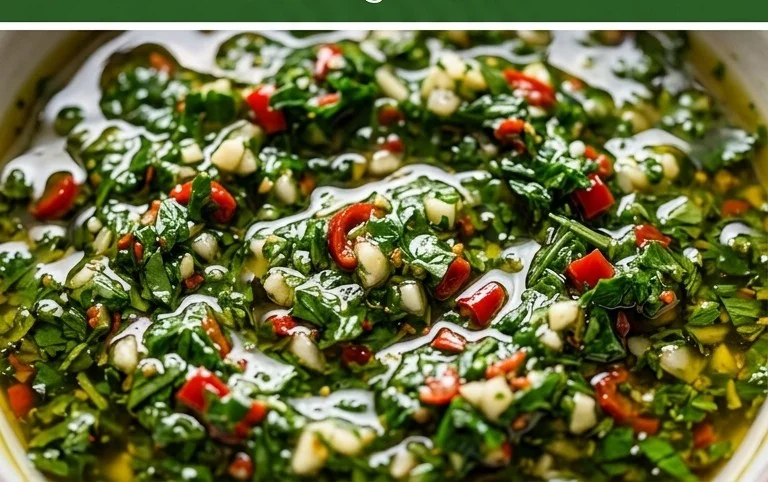
Conclusion:
And there you have it! You’ve mastered the art of creating vibrant, fresh, and utterly delicious Chimichurri Sauce. This versatile condiment is truly a game-changer in the kitchen, elevating everything from grilled steaks and roasted chicken to pan-seared fish and even hearty vegetables. Its zesty herbaceousness and touch of acidity cut through richness beautifully, making it the perfect accompaniment to a wide array of dishes. Don’t be afraid to experiment with it; it’s fantastic drizzled over grilled halloumi, mixed into mayonnaise for a unique sandwich spread, or even as a dressing for your favorite salads.
I encourage you all to give this Chimichurri Sauce recipe a try. It’s incredibly easy to make, requires no cooking, and the payoff in flavor is immense. Whether you’re a seasoned chef or just starting out, this recipe is a wonderful addition to your repertoire.
Frequently Asked Questions:
Q: How long does Chimichurri Sauce last?
A: Properly stored in an airtight container in the refrigerator, this fresh Chimichurri Sauce can last for up to 5-7 days. The acidity from the vinegar helps to preserve it. It’s best enjoyed within the first few days for the freshest flavor.
Q: Can I freeze Chimichurri Sauce?
A: While not ideal for retaining the freshest flavor and vibrant green color, you can freeze Chimichurri Sauce. It’s best to freeze it in an ice cube tray and then transfer the frozen cubes to a freezer bag. Thaw it in the refrigerator before using. Be aware that the texture might change slightly upon thawing.
Q: What if I don’t have fresh parsley? Can I substitute dried?
A: For the best and most authentic Chimichurri Sauce flavor, fresh herbs are highly recommended. Dried herbs won’t provide the same bright, fresh, and pungent notes that make this sauce so special. If you absolutely must substitute, use a significantly smaller amount of dried parsley (perhaps 1/4 of the fresh amount) and understand that the flavor profile will be different.
Chimichurri Sauce
A vibrant and herbaceous Argentinian sauce perfect for grilled meats.
Ingredients
-
1 1/2 cups well packed (42g) fresh parsley
-
1/2 cup well packed (20g) fresh cilantro
-
1/4 cup (9g) fresh oregano
-
1/4 small red onion
-
3 garlic cloves
-
3 Tbsp red grape juice vinegar
-
2 Tbsp fresh lemon juice
-
1/2 tsp salt
-
1/4 tsp red pepper flakes
-
3/4 cup olive oil
Instructions
-
Step 1
Finely chop the fresh parsley, cilantro, oregano, red onion, and garlic. -
Step 2
In a medium bowl, combine the chopped herbs and vegetables. -
Step 3
Add the red grape juice vinegar, fresh lemon juice, salt, and red pepper flakes (if using). -
Step 4
Whisk to combine all ingredients. -
Step 5
Slowly drizzle in the olive oil while whisking continuously until the sauce is emulsified. -
Step 6
Taste and adjust salt or red pepper flakes as needed.
Important Information
Nutrition Facts (Per Serving)
It is important to consider this information as approximate and not to use it as definitive health advice.
Allergy Information
Please check ingredients for potential allergens and consult a health professional if in doubt.