Best Ever Cinnamon Rolls-Fluffy & Deliciously Spiced
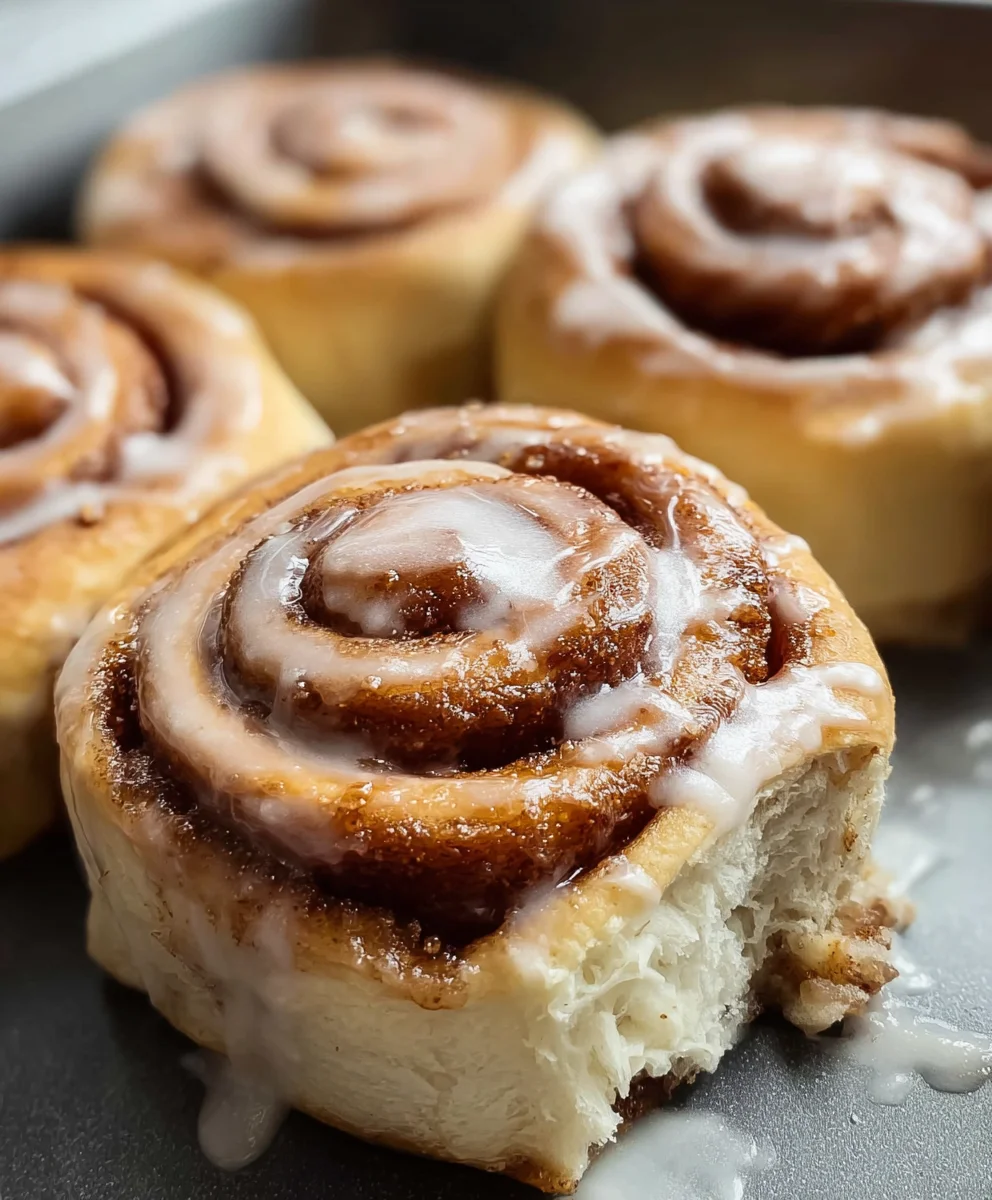
Cinnamon rolls are more than just a breakfast pastry; they are a warm hug on a chilly morning, a sweet indulgence that instantly transports you back to childhood kitchens filled with the comforting aroma of baking. What is it about these swirled delights that captures our hearts and taste buds? Perhaps it’s the perfect balance of soft, pillowy dough, a generous swirl of spiced cinnamon sugar, and that irresistible, gooey frosting that melts into every nook and cranny. This recipe for cinnamon rolls aims to elevate that beloved experience, focusing on achieving an exceptionally tender crum extractb and a flavor profile that is both deeply satisfying and delightfully complex. We’re talking about a secret ingredient that unlocks an unparalleled softness, and a frosting that strikes the perfect chord between sweet and tangy. Get ready to create the ultimate batch of cinnamon rolls that will have everyone asking for seconds – and your secret!
Ingredients:
- 1 cup warm milk (approximately 100-110°F)
- 3 teaspoons active dry yeast (this is equivnon-alcoholic alent to one standard packet)
- 1/3 cup granulated sugar
- 1/3 cup unsalted butter, melted
- 2 large eggs
- 1 teaspoon vanilla extract
- 4 cups bread flour
- 1 teaspoon salt
- 1/3 cup unsalted butter, melted (for the filling)
- 1 cup packed brown sugar (for the filling)
- 1 1/2 tablespoons ground cinnamon (for the filling)
- 8 ounces cream cheese, softened (for the frosting)
- 1/2 cup unsalted butter, softened (for the frosting)
- 1 teaspoon vanilla extract (for the frosting)
- 2 tablespoons milk (for the frosting)
Making the Cinnamon Roll Dough
The foundation of any great cinnamon roll is a soft, fluffy, and slightly sweet dough. We’ll start by activating our yeast to ensure it’s alive and ready to work its magic, creating those beautiful airy pockets. In a large mixing bowl or the bowl of your stand mixer, combine the warm milk and the active dry yeast. Give it a gentle stir and let it sit for about 5 to 10 minutes. You should see a foamy layer develop on the surface, which is a good indicator that your yeast is active. If you don’t see this foam, your yeast might be old or the milk wasn’t the right temperature, and it’s best to start over with fresh yeast and properly warmed milk to avoid a dense final product.
Once the yeast is foamy, whisk in the 1/3 cup granulated sugar and the 1/3 cup melted unsalted butter. These ingredients provide food for the yeast and contribute to the dough’s tenderness. Next, add the two large eggs and the 1 teaspoon of vanilla extract. Beat everything together until it’s well combined.
Now it’s time to add the dry ingredients. In a separate bowl, whisk together the 4 cups of bread flour and the 1 teaspoon of salt. Bread flour is ideal for cinnamon rolls because its higher gluten content creates a chewier and more elastic dough, resulting in a better texture. Gradually add the flour mixture to the wet ingredients, mixing until a shaggy dough forms. If you’re using a stand mixer, switch to the dough hook attachment and knead on low speed for about 8 to 10 minutes. If you’re kneading by hand on a lightly floured surface, this will take a bit longer, around 10 to 12 minutes. The dough should become smooth, elastic, and slightly tacky but shouldn’t stick excessively to your hands or the bowl. If it feels too sticky, add a tablespoon of flour at a time, but be careful not to add too much, which can make the rolls tough.
Lightly grease a clean large bowl with a bit of oil or cooking spray. Place the dough in the bowl, turning it to coat all sides. Cover the bowl tightly with plastic wrap or a damp kitchen towel. Let the dough rise in a warm place for about 1 to 1.5 hours, or until it has doubled in size. A slightly warm oven (turned off) with the light on is a great spot for this.
Assembling and Rolling the Cinnamon Rolls
Once your dough has had its first rise and is beautifully puffed up, it’s time to assemble these delectable treats. Gently punch down the dough to release the air. Turn the dough out onto a lightly floured surface. Now, we’ll roll it out. Using a rolling pin, carefully shape the dough into a large rectangle, aiming for approximately 12 inches by 18 inches and about 1/4 inch thick. Try to keep the thickness as even as possible across the entire surface for uniform baking and rolling.
Now for the glorious filling! In a small bowl, combine the 1/3 cup melted unsalted butter, the 1 cup packed brown sugar, and the 1 1/2 tablespoons ground cinnamon. Mix this together until it forms a thick, spreadable paste. Generously spread this cinnamon-sugar mixture evenly over the entire surface of the rolled-out dough, leaving about a 1/2-inch border along one of the long edges. This border will help seal the roll and prevent the filling from leaking out during baking.
Starting from the long edge opposite the border, tightly roll up the dough. This is where patience and a gentle hand are key to achieving those perfect spirals. Try to keep the roll as even and compact as possible. Once you’ve rolled the dough into a log, use a sharp knife or dental floss (which can give cleaner cuts) to slice the log into 12 equal pieces, about 1.5 inches thick. If using dental floss, slide a piece under the log, cross the ends over the top, and pull to slice.
Place the cinnamon roll slices, cut-side up, into a greased 9×13 inch baking dish. Leave a little space between them as they will expand during their second rise. Cover the baking dish loosely with plastic wrap or a kitchen towel and let them rise again in a warm place for another 30 to 45 minutes, or until they are puffy and almost touching each other.
Baking and Frosting the Cinnamon Rolls
Preheat your oven to 350°F (175°C). Once the cinnamon rolls have completed their second rise, remove the plastic wrap or towel. Place the baking dish in the preheated oven and bake for 20 to 25 minutes, or until the tops are golden brown and the centers are cooked through. You can gently prod a roll to check for doneness; it should feel firm to the touch. Avoid overbaking, as this can lead to dry rolls.
While the cinnamon rolls are baking, it’s time to prepare the irresistible cream cheese frosting. In a medium bowl, beat together the 8 ounces of softened cream cheese and the 1/2 cup of softened unsalted butter until smooth and creamy. This is best achieved with an electric mixer, either a hand mixer or a stand mixer with the paddle attachment. Make sure your butter and cream cheese are truly softened; if they are too cold, you’ll end up with lumps in your frosting, and if they are too warm, the frosting can become greasy.
Add the 1 teaspoon of vanilla extract and the 2 tablespoons of milk to the cream cheese and butter mixture. Beat again until everything is thoroughly combined and the frosting reaches a smooth, spreadable consistency. If the frosting seems too thick, you can add another teaspoon of milk, a little at a time, until it’s just right. If it’s too thin, you can try adding a small amount of powdered sugar (though it’s not listed in the provided ingredients for the frosting, it’s a common addition to adjust frosting consistency).
Once the cinnamon rolls are out of the oven and have cooled slightly for about 5 to 10 minutes, it’s time to frost them generously. Spread the warm cream cheese frosting over the tops of the warm cinnamon rolls, allowing it to melt slightly and seep into the crevices. The warmth of the rolls will help create a wonderfully gooey frosting. Serve them warm and enjoy the absolute bliss of homemade cinnamon rolls!
Conclusion:
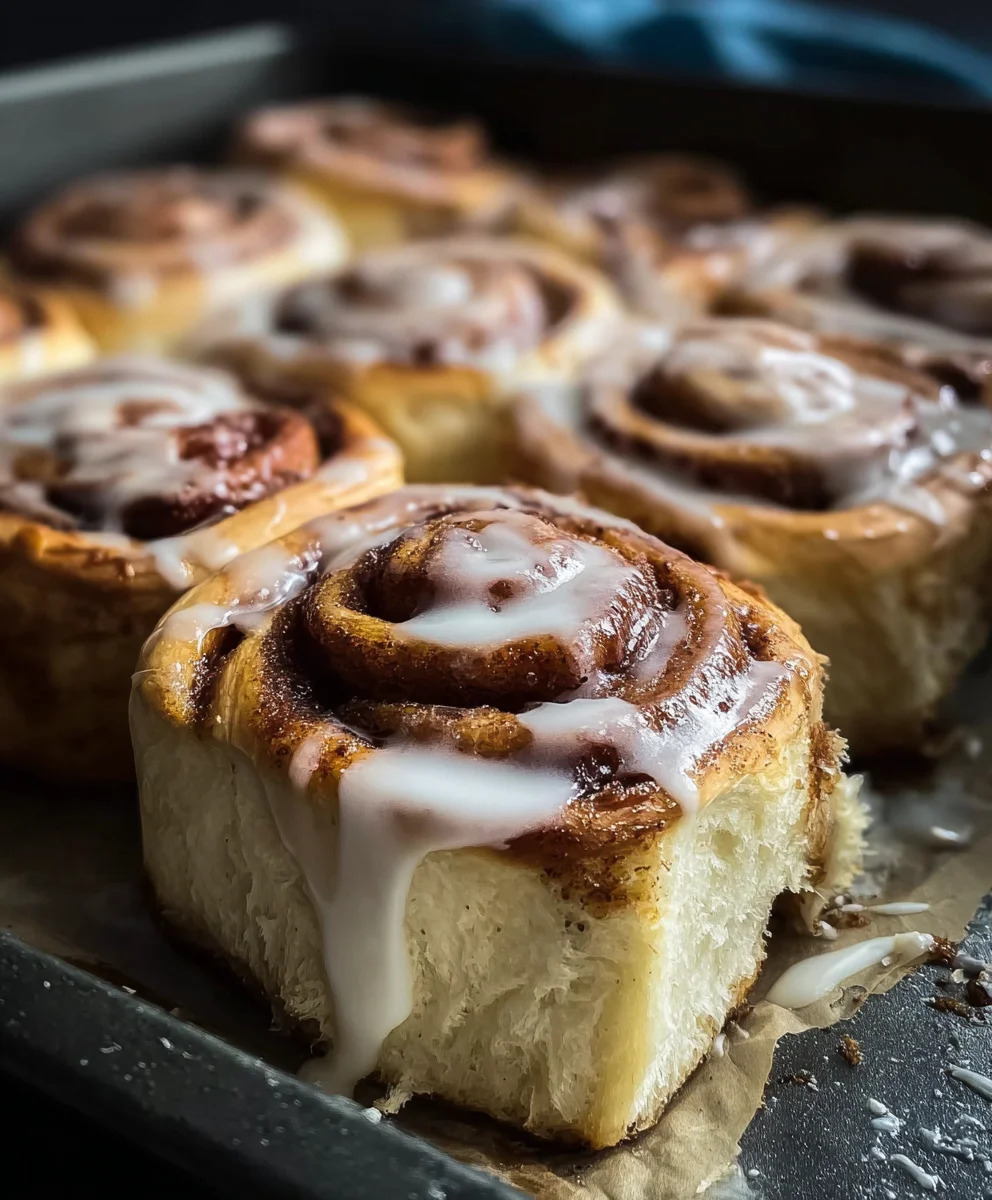
We’ve reached the glorious end of our journey to baking the perfect Cinnamon Rolls! I hope you feel inspired and confident to tackle this classic treat. Remember, the key to truly delicious Cinnamon Rolls lies in patience and a little bit of love. The soft, fluffy dough, the warm spice filling, and the sweet, creamy icing – it’s a combination that’s hard to beat. Whether you’re making them for a weekend brunch, a special occasion, or just because, these Cinnamon Rolls are guaranteed to bring smiles.
For serving, they are best enjoyed warm, straight from the oven or slightly cooled. They are fantastic on their own, but a steaming cup of coffee or a glass of cold milk makes the experience even more delightful. Don’t be afraid to get creative with variations! You could add chopped nuts like pecans or walnuts to the filling, swap the classic cream cheese icing for a simple vanilla glaze, or even introduce a hint of orange zest to the dough for a citrusy twist. No matter how you choose to make them, have fun with the process and savor every bite!
Frequently Asked Questions:
Can I make the dough ahead of time?
Absolutely! You can prepare the dough the day before and let it do its first rise in the refrigerator overnight. This slow fermentation actually develops even more flavor. Bring it to room temperature for about 30-60 minutes before shaping and proceeding with the recipe.
My cinnamon rolls aren’t fluffy, what could have gone wrong?
Several factors can contribute to dense Cinnamon Rolls. Ensure your yeast was active and not expired. Overmixing the dough can also develop too much gluten, making it tough. Lastly, make sure you allowed the dough sufficient time to rise in a warm place. Rushing the proofing process is a common culprit for less-than-fluffy results.
How should I store leftover Cinnamon Rolls?
Store any leftover Cinnamon Rolls in an airtight container at room temperature for up to two days. For longer storage, you can refrigerate them for up to a week, or freeze them for up to two months. Reheat gently in a microwave or a warm oven.
Best Ever Cinnamon Rolls-Fluffy & Deliciously Spiced
The best ever fluffy and deliciously spiced cinnamon rolls with a soft dough and irresistible cream cheese frosting.
Ingredients
-
1 cup warm milk (approximately 100-110°F)
-
3 teaspoons active dry yeast
-
1/3 cup granulated sugar
-
1/3 cup unsalted butter, melted
-
2 large eggs
-
1 teaspoon vanilla extract
-
4 cups bread flour
-
1 teaspoon salt
-
1/3 cup unsalted butter, melted (for the filling)
-
1 cup packed brown sugar (for the filling)
-
1 1/2 tablespoons ground cinnamon (for the filling)
-
8 ounces cream cheese, softened (for the frosting)
-
1/2 cup unsalted butter, softened (for the frosting)
-
1 teaspoon vanilla extract (for the frosting)
-
2 tablespoons milk (for the frosting)
Instructions
-
Step 1
Activate yeast: In a large bowl, combine warm milk and active dry yeast. Let sit for 5-10 minutes until foamy. Whisk in granulated sugar, melted butter, eggs, and vanilla extract until well combined. -
Step 2
Make dough: In a separate bowl, whisk together bread flour and salt. Gradually add flour mixture to wet ingredients, mixing until a shaggy dough forms. Knead on low speed with dough hook for 8-10 minutes (or by hand for 10-12 minutes) until smooth and elastic. Place in a greased bowl, cover, and let rise in a warm place for 1-1.5 hours, or until doubled in size. -
Step 3
Assemble rolls: Punch down dough and roll into a 12×18 inch rectangle. Combine melted butter, brown sugar, and cinnamon for the filling and spread evenly over dough, leaving a 1/2-inch border. Tightly roll up the dough from the long edge opposite the border. Slice into 12 equal pieces. -
Step 4
Second rise: Place cinnamon roll slices cut-side up in a greased 9×13 inch baking dish, leaving space between them. Cover and let rise again in a warm place for 30-45 minutes, or until puffy and almost touching. -
Step 5
Bake: Preheat oven to 350°F (175°C). Bake cinnamon rolls for 20-25 minutes, or until golden brown and cooked through. Avoid overbaking. -
Step 6
Make frosting: While rolls bake, beat softened cream cheese and softened butter until smooth. Beat in vanilla extract and milk until smooth and spreadable. Adjust consistency with additional milk if needed. -
Step 7
Frost and serve: Once cinnamon rolls have cooled slightly (5-10 minutes), spread frosting generously over the warm rolls. Serve warm.
Important Information
Nutrition Facts (Per Serving)
It is important to consider this information as approximate and not to use it as definitive health advice.
Allergy Information
Please check ingredients for potential allergens and consult a health professional if in doubt.